The Complete Guide To Lifelong Learning: Why Learning Never Stops
 Team NTSs
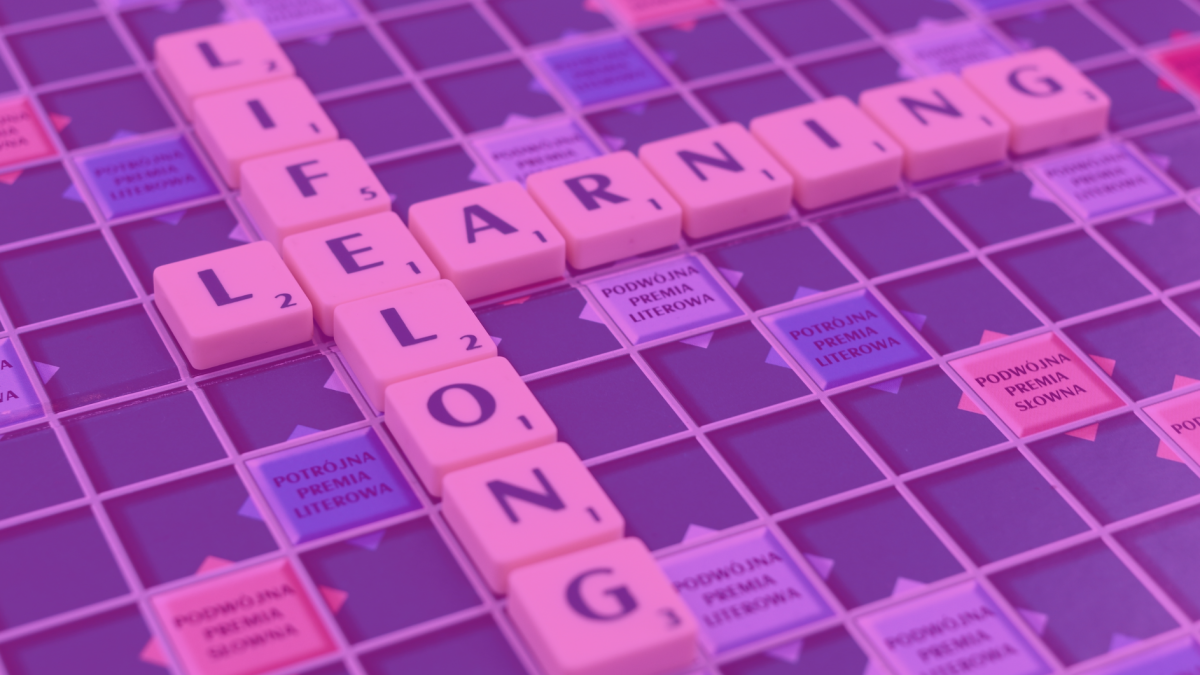
Discover what lifelong learning is, why it matters and how continuous learning can improve your career, confidence and personal development.
This is the first post in a new series of blog posts - The Complete Guide to Lifelong Learning.
Learning is often associated with schools, colleges and universities. Many people believe that education finishes once they have gained their qualifications or entered employment. In reality, learning never truly ends. Every new experience, skill, conversation and challenge presents an opportunity to grow.
Lifelong learning is about embracing those opportunities throughout every stage of life. Whether you want to improve your career prospects, gain confidence, develop a new hobby or simply understand the world a little better, continuous learning can have a lasting impact on your personal and professional development.
At NTSs Learning, we believe education should be accessible, practical and flexible enough to fit around modern life. Whether you are looking for flexible online learning opportunities or ways to support your personal and professional development, lifelong learning is not just about earning certificates—it's about becoming the best version of yourself.
In this guide, I will explore what lifelong learning means, why it's becoming increasingly important, how it benefits both individuals and organisations, and how you can make learning part of your everyday life.

What is Lifelong Learning?
Lifelong learning refers to the ongoing process of developing knowledge, skills and understanding throughout your life. Unlike compulsory education, lifelong learning is voluntary and driven by your own interests, ambitions and goals.
Learning doesn't have to take place in a classroom. It can happen anywhere.
You might learn through:
Online courses
Professional qualifications
Workplace training
Coaching or mentoring
Reading books
Listening to podcasts
Watching educational videos
Volunteering
Travelling
Everyday experiences
Each of these contributes to building your knowledge and expanding your understanding of the world around you.
One of the greatest strengths of lifelong learning is its flexibility. Everyone learns differently, and there is no single path that suits everyone.
If you need guidance to help you learn successfully, you can get support by reading the Learning To Learn blog posts. And we also have a super resource called The Learning Compass which can support you with making decisions about what you want your learning journey to involve.

Lifelong Learning Has Changed
Today's world is changing faster than ever before.
Technology continues to evolve, industries adapt to new ways of working, and employers increasingly value people who demonstrate curiosity, adaptability and a willingness to learn.
Research from organisations including the World Economic Forum suggests that many of today's workforce will need to update or develop new skills throughout their careers as jobs continue to evolve with technological advances.
This means learning is no longer something we complete in our twenties. Instead, it becomes an ongoing investment that helps us remain confident, capable and prepared for change.
Rather than seeing education as a destination, successful learners view it as a lifelong journey.
Why Lifelong Learning Matters
Lifelong learning offers benefits that extend far beyond gaining qualifications.
It can positively influence nearly every aspect of life.
Personal Growth
Perhaps the greatest benefit is personal growth.
Learning challenges us to think differently, question assumptions and broaden our understanding.
Every new skill increases confidence because it demonstrates that growth is always possible.
Whether you learn photography, improve your communication skills or study psychology, you're investing in yourself. Developing your knowledge through personal and professional learning can help you achieve goals you may once have thought were out of reach.
Over time, these experiences help shape a more confident, capable and resilient individual.
Professional Development
Modern careers rarely follow a straight line.
People change roles, industries and responsibilities far more frequently than in previous generations.
Continuous learning helps individuals remain relevant by developing new knowledge and transferable skills.
These may include:
Leadership
Digital literacy
Communication
Problem-solving
Project management
Customer service
Critical thinking
Many employers actively seek candidates who demonstrate a commitment to learning because it shows adaptability and initiative. Investing in professional development opportunities can help you stay current and continue growing throughout your career.
Improved Confidence
Confidence often grows through competence.
Learning something new may feel uncomfortable initially, but each success builds self-belief.
Whether passing an exam, mastering new software or developing public speaking skills, every achievement reinforces the idea that future challenges can also be overcome.
This creates a positive cycle where learning encourages confidence, and confidence encourages further learning.
Greater Employability
Employment markets continue to evolve.
Roles that existed ten years ago may look very different today.
Employers increasingly value transferable skills alongside technical expertise.
Lifelong learners demonstrate qualities such as:
Adaptability
Curiosity
Initiative
Commitment
Self-motivation
Continuous improvement
These qualities often distinguish candidates during recruitment and promotion opportunities.
Whether you are starting your career, returning to work or looking for your next opportunity, continuing to learn shows employers that you are willing to grow and adapt.
Next Step
I was asked at a job interview the other day if I had recently had any learning and development. It’s a common question asked at interviews nowadays. What would you say if someone asked you this at an interview?
Categories: : Learning To Learn