Why Learning Is Essential for Every Human Being (And Yes, That Includes You)
 Team NTSs
Discover why everyone can learn effectively. Understand neuroplasticity, mindset, and how to unlock your potential as a lifelong learner.
Why Learning Is Essential for Every Human Being (And Yes, That Includes You) - Blog Post No.1
The Universal Gift We All Possess
I used to think learning was something that happened to me rather than something I actively controlled. Sitting in classrooms, I felt like a passive recipient—some people were "naturally smart," and others weren't. I now realise how wrong I was. Learning isn't a fixed ability you either have or don't have. It's a skill, a process, and most importantly, it's something every single human being can develop and master.
The truth is, learning is one of the most essential and rewarding aspects of being human. From the moment we're born, we're wired to learn. We learn to walk, talk, recognise faces, and navigate our world. Yet somewhere along the way, many of us pick up the belief that formal learning—studying, acquiring new skills, mastering subjects—is only for certain people. I'm here to tell you that's simply not true.
Learning Makes Us Human
What sets humans apart from other species is our extraordinary capacity to learn, adapt, and grow throughout our entire lives. Our brains possess something called neuroplasticity—the ability to form new neural connections and pathways at any age. This isn't just scientific jargon; it's proof that we're biologically designed to be lifelong learners.
I've witnessed this firsthand in my own journey. There were subjects I convinced myself I'd never understand, skills I thought were beyond my reach. But when I shifted my mindset from "I can't do this" to "I haven't learned how to do this yet," everything changed. That small word—yet—contains enormous power.
The rewarding nature of learning extends far beyond academic achievement or career advancement. When I learn something new, I experience a genuine sense of accomplishment that boosts my confidence and motivation. Learning opens doors to new opportunities, helps me solve problems more effectively, and connects me with communities of people who share my interests. It keeps my mind sharp, my curiosity alive, and my perspective expanding.
Breaking Down the Barriers to Learning
So why do so many people believe they "can't learn" or that learning isn't for them? Usually, it comes down to negative past experiences. Perhaps a teacher made you feel inadequate, or you struggled with a particular subject and internalised that struggle as personal failure. Maybe you've been out of formal education for years and worry that you've lost the ability to learn.
I want to challenge these beliefs directly. Your previous learning experiences don't define your future learning potential. We are all unique as learners, and what works for one person may not work for another —and that's completely normal. The key is finding the approaches and methods that work best for you.
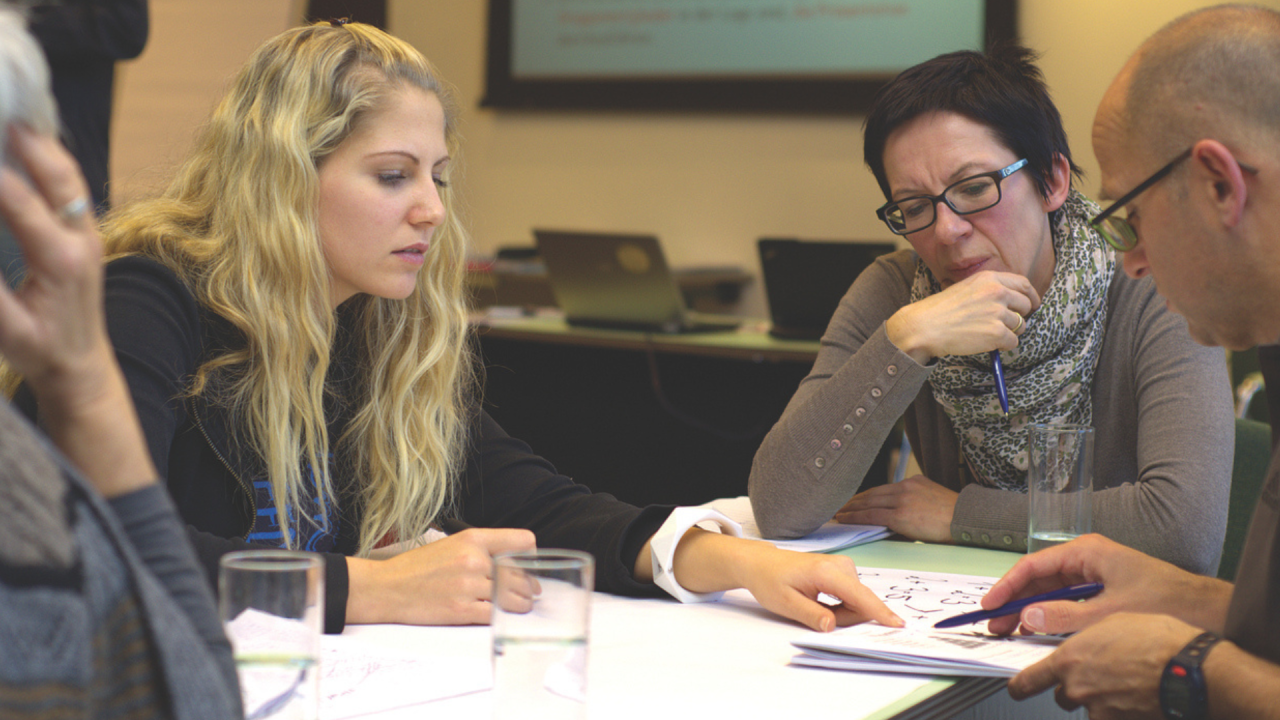
There's no single method of learning that guarantees success for everyone. How you learn best depends on numerous factors: your learning style, the subject matter, your environment, your motivation, and your previous experiences. Some people learn best by reading, others through hands-on practice, visual demonstrations, or discussion. I've discovered that I use different approaches depending on what I'm learning, and I bet you do too.
The Practical Reality of Learning
Learning isn't about being organised, regimented, or fitting into someone else's mould. It's about thinking consciously about what works best for you. If you feel comfortable with a relaxed and unpredictable approach that suits your lifestyle, that's absolutely fine. The important thing is being aware of how you learn so you can make informed choices about tackling any learning task more efficiently and effectively.
I've learned that motivation plays a huge role in successful learning. When I understand why I'm learning something—whether it's for career advancement, personal interest, or to solve a specific problem—I'm much more likely to stick with it and succeed. Your reasons for learning are valid, whatever they are.
Your previous history as a learner also shapes your approach, but it doesn't have to limit you. Both formal learning experiences (school, courses, training) and informal ones (learning through life, hobbies, trial and error) have taught you valuable lessons about how you learn. The question is: are you aware of these lessons, or are you just operating on autopilot?

Everyone Can Learn—Including You
Here's what I want you to take away from this: learning is not a privilege reserved for the academically gifted or the naturally talented. It's a fundamental human capability that we all possess. Yes, some people may have advantages—better early education, more supportive environments, or fewer life obstacles. But these factors influence the learning journey; they don't determine whether learning is possible.
I've seen people in their 60s and 70s master new technologies, learn new languages, and even pursue degree programmes. I've watched individuals who struggled throughout traditional schooling discover that they're actually brilliant learners when they find the right approach and subject matter. I've witnessed people overcome learning disabilities, anxiety, and self-doubt to achieve remarkable things.
The most effective learners aren't necessarily the "smartest" people—they're the people who understand how they learn and actively think about their learning process. They're willing to experiment with different methods, reflect on what works, and adjust their approach when something isn't effective. They're curious, persistent, and kind to themselves when learning gets challenging.
Learning enriches every aspect of life. It helps us adapt to change, understand different perspectives, connect more deeply with others, and find meaning and purpose. It keeps us engaged with the world around us and helps us contribute more meaningfully to our communities. The rewards of learning extend far beyond certificates and qualifications—they touch the very quality of our daily lives.
So yes, learning is essential. And yes, it's possible for everyone—including you. The journey of becoming an effective learner starts with believing that you can learn, being willing to examine how you learn, and taking active control of your learning process. In my next post, I'll explore exactly how human beings can learn to learn, giving you practical insights into this transformative skill.
If you want to read the next post in the series, simply click here now - How to Master the Art of Learning to Learn (No.2 in series)
Want more from NTSs? Why not join our community here: NTSs Community
Categories: : Learning To Learn