A Guide To Lifelong Learning (Part 2): How Lifelong Learning Helps You Thrive
 Team NTSs
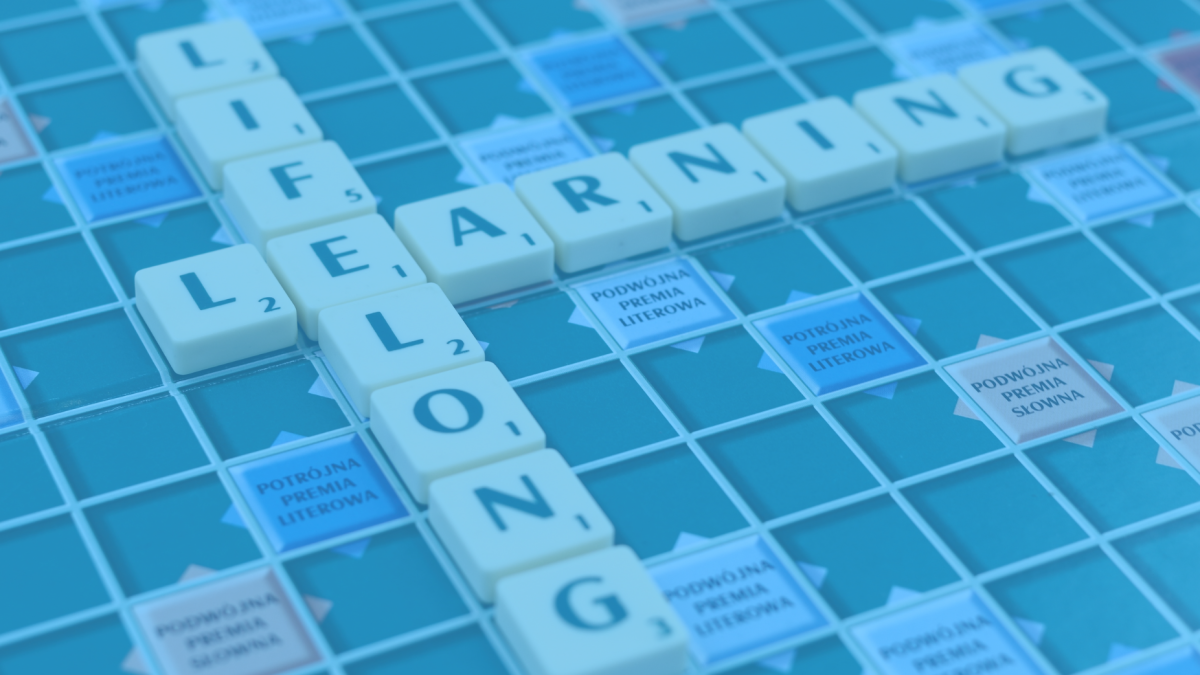
This is the second of a two-part guide about what lifelong learning is and how it can benefit your life.
In this second blog post of the series, I will explore some more aspects of lifelong learning, such as the science-backed benefits, how to become a lifelong learner, more examples of what it can be, and common barriers. And as in Part 1, there will be helpful suggestions and links to aid you in whatever learning journey you choose to take.
If you have not read the first part (or wish to re-visit it), you can easily get to it by clicking here.
The Science-Backed Benefits of Lifelong Learning
Lifelong learning is far more than an educational concept. Research has consistently shown that continuing to learn throughout adulthood can positively affect our mental wellbeing, career prospects, confidence and overall quality of life.
While many people begin learning to gain a qualification or improve their employment opportunities, they often discover additional benefits that extend into many areas of everyday life.
Keeps Your Mind Active
Just as physical exercise helps keep our bodies healthy, learning helps keep our minds active.
When we challenge ourselves to understand new ideas, solve problems or acquire new skills, our brains create and strengthen neural connections. This process supports memory, concentration and cognitive flexibility.
Activities such as learning a language, studying history, mastering a new piece of software or even taking up a musical instrument all encourage the brain to work in new ways.
Although learning cannot prevent every age-related cognitive change, keeping mentally active is widely recognised as an important part of maintaining long-term brain health.
NTSs has a variety of courses to choose from - for example, if you are interested in creative writing, why not check out our Myths, Monsters and Magic course.

Examples of Lifelong Learning
Many people are already lifelong learners without realising it.
There are many more ways learning becomes part of everyday life.
For example:
Formal Learning
Formal learning follows a structured programme and often leads to a recognised qualification.
Examples include:
Professional certifications
Diplomas
Accredited online courses
University study
Apprenticeships
Non-Formal Learning
Non-formal learning is organised but doesn't necessarily lead to a qualification.
Examples include:
Workshops
Webinars
Community classes
Workplace development sessions
Short online courses
Informal Learning
Some of our most valuable learning happens naturally.
Examples include:
Reading books
Listening to educational podcasts
Watching documentaries
Learning from colleagues
Trying new hobbies
Volunteering
Travelling
Solving everyday problems
These experiences may seem small individually, but together they contribute significantly to personal growth.

How to Become a Lifelong Learner
One of the biggest misconceptions about lifelong learning is that it requires large amounts of time or significant financial investment.
In reality, developing a lifelong learning mindset often begins with small, consistent actions.
Here are some practical ways to make learning part of your everyday routine.
Set Meaningful Goals
Think about why you want to learn.
Perhaps you would like to:
Change careers.
Improve your confidence.
Gain a promotion.
Learn a new hobby.
Support your mental wellbeing.
Become more effective in your current role.
Having a clear purpose makes it easier to stay motivated.
Create a Learning Habit
You do not need to dedicate hours every day.
Even fifteen to thirty minutes of focused learning several times each week can lead to significant progress over time.
Small, consistent improvements often produce better long-term results than occasional intensive study sessions.
Use Different Learning Methods
Everyone learns differently.
Try combining several approaches, such as:
Reading books.
Watching educational videos.
Completing online courses.
Joining webinars.
Listening to podcasts.
Participating in workshops.
Learning through practical experience.
Variety keeps learning engaging and helps reinforce understanding.
Reflect on What You Learn
Learning becomes far more valuable when we take time to reflect.
Ask yourself:
What have I learned?
How can I apply this?
What would I do differently next time?
What do I want to learn next?
Reflection transforms information into meaningful knowledge
Common Barriers to Lifelong Learning—and How to Overcome Them
Many people want to continue learning but feel held back by practical or personal challenges.
Fortunately, most barriers can be overcome with the right support and mindset.
"I don't have enough time."
Modern life is busy.
However, learning does not have to involve long study sessions.
Flexible online learning allows you to study at times that suit your lifestyle.
Even short periods of focused study can accumulate into significant progress over several months.
"I'm too old to learn."
One of the greatest myths surrounding education is that learning belongs to the young.
People successfully begin new careers, earn qualifications and develop entirely new skills well into later life.
Age brings valuable experience, resilience and perspective that often enhances learning rather than limiting it.
"I'm not confident enough."
Returning to education after many years can feel intimidating.
Remember that confidence usually follows action—not the other way around.
Starting with smaller learning goals allows confidence to develop naturally as each milestone is achieved.
NTSs provides a lot of information and guidance. For example, the Learning To Learn blog posts are a great place to start - just click here to find out more.
"I don't know where to start."
The internet offers an enormous amount of information, which can sometimes feel overwhelming.
Begin by identifying one area you would like to improve.
Focus on one course, one book or one skill before moving on to the next.
Learning is a journey, not a race.
Your Next Step
If you feel you would like more guidance about your learning journey, NTSs has several offerings that can help you. Our Learning Compass is an online tool which can help you figure out what is best for you and your life. You can also book a one-to-one coaching or tutoring session to discuss your needs and the best way forward. There are one-off sessions available or blocks of five depending on how much support you would like - click here to find out more.
Mathematics is a subject many people find challenging, but they want to get to grips with it. You don't need to sign up to a huge amount of study to achieve. Infact, there are short Micro Maths courses available with NTSs which last 20 -30 mins. Why not have a try by enrolling on one of these?
Categories: : Learning To Learn, Mathematics, Neurodivergency