Supporting Neurodivergent Learners
 Team NTSs
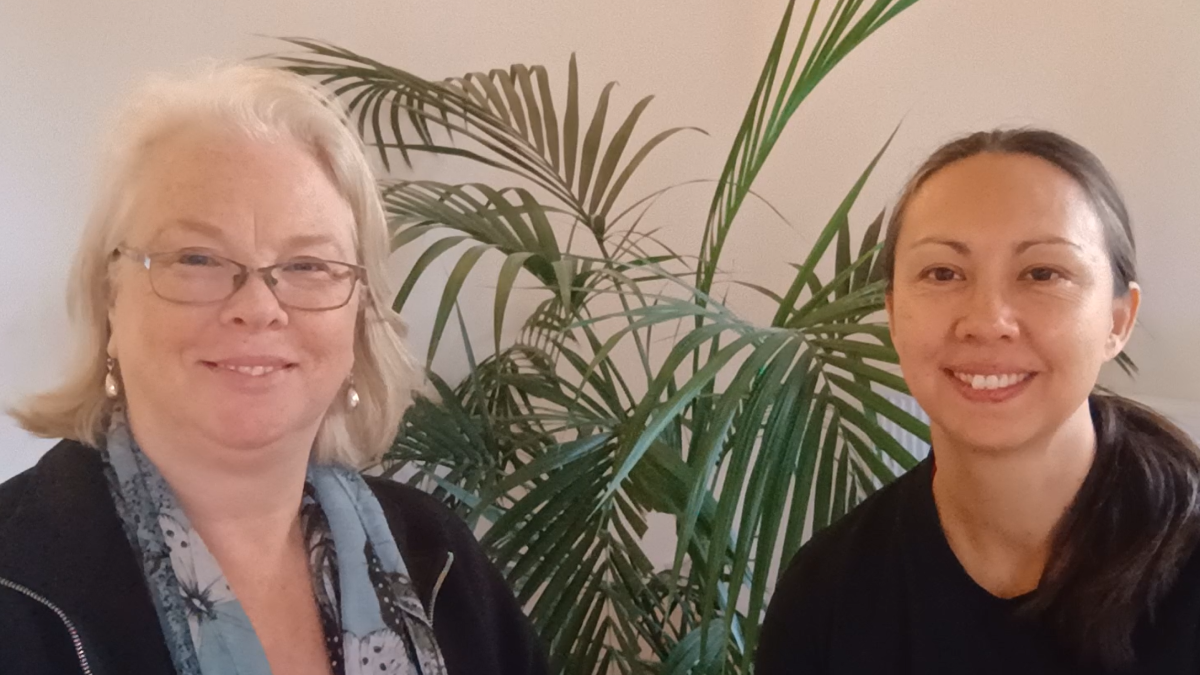
Blog Post Created from Interview with Katrina Zawawi (Neurodivergency Specialist)
Supporting Neurodivergent Learners Through Empathy and Practice
Hello and welcome. I am Deborah Jaggard from NTSs, and today I’m joined by Katrina Zawawi (teacher and practioner in the fields of autism and Kundalini Yoga) to talk about learning and neurodiversity —both her own journey and how she supports her students. She will also give advice to neurodiverse learners and students about how they can help themselves.
Q: Can you start by telling us a little about yourself?
A: Sure. I’m Katrina Zawawi, and I teach Kundalini Yoga in Norfolk in the UK. My speciality is helping people manage high levels of stress. This comes from my own experience as a neurodivergent individual. While I’m not formally diagnosed with autism, my academic studies and personal experiences—alongside having an autistic brother—have helped me understand how it has shaped my life. I am diagnosed with dyslexia, and that has had a significant impact on how I learn and teach. My approach to yoga and teaching is very much about creating a space that works for neurodivergent people and doesn’t overwhelm them.
Q: How has being neurodivergent affected your life personally?
A: Growing up, I wasn’t aware of it. I was raised in Malaysia, where there wasn’t much awareness, and expectations were very rigid. I struggled a lot in school and was often behind. No one taught me strategies for dyslexia, and I felt lazy because I couldn’t keep up. It wasn’t until I revisited education as a mature student that I was diagnosed with dyslexia. That diagnosis completely shifted my mindset—it gave me understanding and compassion for myself and for others who struggle.
Q: You’ve clearly been very successful—how did you overcome those challenges?
A: It’s about learning to manage. Like anything in life, you develop strategies. At first, it was difficult—it required discipline, which I didn’t have much of growing up. But I was motivated because I wanted to become the kind of teacher I needed as a child: empathetic, nurturing, and adaptable. I learned that every learner is different, even within the same neurodivergent condition, so teaching has to be flexible and responsive.
Q: Do you still find reading challenging?
A: Yes, I do. Even now, reading can be difficult, especially when text is crowded. Stress plays a big role—when I’m stressed, words can jumble. I’ve also experienced visual difficulties that can make reading harder. It’s very much connected to how I’m feeling in my body and nervous system.
Q: How does yoga help with stress?
A: Yoga is essential for me. Without it, I’m in a constant state of fight-or-flight. I practice daily to regulate my nervous system before I start my day. That’s why I’m passionate about teaching it to others with high stress—I understand what it feels like and how transformative it can be.
Q: How do you support neurodivergent learners in your teaching?
A: It can be challenging in larger classroom settings, but with smaller groups or one-to-one teaching, it becomes much easier. I focus on getting to know each learner deeply—what they enjoy, how they think, and where they struggle. Then I meet them at that point. There’s no judgment. I adapt the teaching to suit them rather than forcing them into a rigid structure.
Q: You also teach adults—how does that compare?
A: Teaching adults can actually be easier because they have more self-awareness. Children are still figuring themselves out, whereas adults often come with clearer goals and understanding of their challenges.
Q: How can learners support themselves independently?
A: That’s crucial. I give students practical strategies they can take away—like written instructions or follow-up support. But ultimately, it comes down to routine, consistency, and commitment. Starting small is key—even one minute of practice is enough. It’s also about mindset. Many neurodivergent learners fear failure because of past experiences. They need to relearn that making mistakes is part of learning.
Q: Do you have any tips for English and maths?
A: It’s all about finding the method that works for the individual. In maths, for example, one approach might not suit everyone. If something doesn’t work, it’s okay to set it aside and try a different method. Understanding is more important than memorisation—it has to make sense.
For English, it can help to connect learning to personal interests. For those who struggle with reading, audio support, visual aids, or creative storytelling can be really useful. I’ve also used techniques like highlighting alternate lines of text to make reading easier.
Q: What about study skills?
A: Structure is very helpful. I like using lists and breaking tasks into manageable goals—sometimes just three key things to achieve in a session. Mind mapping and ‘brain dumping’ are also great for organising thoughts before starting work.
Managing focus is important too—setting timers, taking breaks, and stepping away when needed. Stress management plays a big role here as well. Simple breathing techniques can calm the nervous system and improve concentration.
Q: Can you tell us a bit about your current work?
A: I offer one-to-one sessions for people with autism and other forms of neurodivergence, as well as group yoga classes in Norwich and online. My teaching always prioritises the nervous system—helping people calm their breath and mind, and connect their body and energy. Kundalini yoga has been especially powerful for me, and it’s something I’m passionate about sharing.
Q: Any final thoughts?
A: It’s all about finding what works for you. Everyone is different, and the journey is about exploring, experimenting, and discovering the approaches that truly support you.
What next?
To watch the interview replay, click here.
For more details about Katrina’s yoga and offerings for autistic learners, click here.
If you want to check out the other blog posts from NTSs, then go to the blog area: click here.
We also have a great community full of like-minded people, learners and students who want to learn and transform - just like you! Just click here.
And of course, there are plenty of learning opportunities available for you: Learning Opportunities. Enjoy!
Categories: : Learning To Learn, Neurodivergency