Support for Employability
 Team NTSs
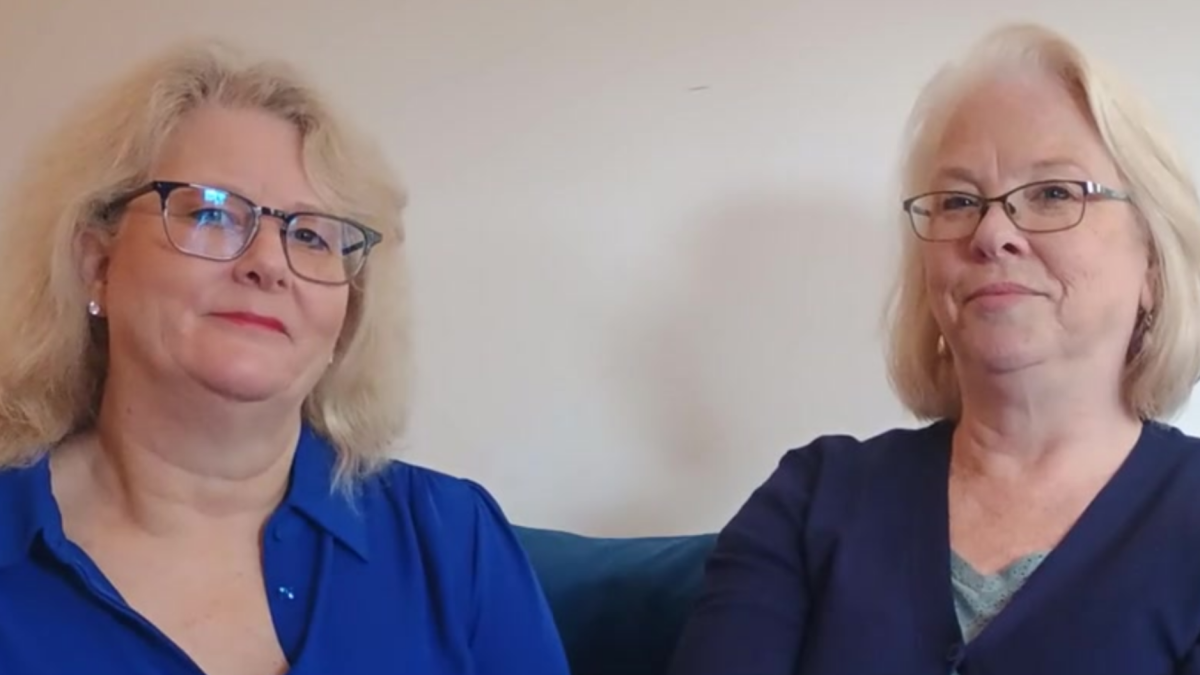
Blog Post Created from Interview with Emma Richards (HR Recruitment Consultant)
Support for Employability
Hello and welcome. I am Deborah Jaggard from NTSs, and today I’m joined by Emma Richards, an experienced HR and recruitment consultant, to talk about employment—how to find it, how to apply for it, and how to make the best impression at every stage.
Q: Can you start by telling us a little about yourself?
A: My name is Emma Richards and I am an HR and recruitment consultant with over 30 years’ experience in the field. I am CIPD Level 7 qualified and have also taught CIPD locally. I continuously professionally develop to remain up to date with employment legislation, and I enjoy networking with others in the sector. I recruit across all sectors—full-time, part-time and temporary roles—from pharmacists and chief executives to people working in retail, manufacturing, and logistics. Really, any role of any type of contract.
Q: How important are English and maths qualifications when applying for jobs?
A: Education is never lost, and it’s very important to keep your certificates and be able to show a prospective employer what level you have reached. English and maths are always valuable because they demonstrate your level to an employer—and they’re useful for everyday life too. But it’s not all lost if you didn’t achieve them first time around at school. Many people return to education later and find it much easier—perhaps at night school or through college. Colleges also offer Functional Skills qualifications for those who have found traditional routes challenging, and there is support available. Other qualifications depend entirely on the sector you’re going into: CIPD for HR, CIMA for finance, and so on. Vocational qualifications can actually be a different and sometimes easier way to learn because you can relate them directly to the job.
Q: What are your top tips for young people applying for their first job?
A: Confidence is key—whatever your age. You are as good as anybody else. It’s about aiming high, being the best you can be, and having ten seconds of courage. Remember: interviewers can be nervous too. They may not enjoy interviewing, and ultimately selection is about finding the right fit—someone who will stay and thrive. You need to feel comfortable in the environment you’re applying for. And be yourself. If you’re not, you may end up getting the job and then realise you don’t fit, and end up leaving anyway.
Q: What about older people returning to or nearing the end of employment?
A: Keep going—tenacity is key. Applying for jobs is a full-time job in itself. Look carefully at each organisation and role you’re applying for, and tailor your CV and covering letter each time. Standard formats are available online, but think about how to adapt them for that specific job. Age is not the barrier people sometimes imagine. If you’re older, you bring great skills—life skills accumulated over years. Even managing a household budget is a transferable skill. It’s all about identifying what knowledge, skills, and experience you can bring to the role.
Q: What advice do you have for people with special needs or disabilities or are neurodivergent?
A: Do not hide it, because it will always show. And do not be afraid to put it on the application form. Employers are measured on equality and diversity in their recruitment processes—they are required to recruit a diverse workforce and to treat people fairly and reasonably. Being open is always the better approach.
Q: What tips do you have for writing CVs, cover letters, and applications?
A: Always ask for help if you’re finding it difficult—a friend, family member, colleague, or someone at work. Employers are also required to make reasonable adjustments for employees who struggle with certain things, including reading and writing. When it comes to what you write: make sure everything is clear, truthful, and understandable to someone who doesn’t know you. Ask yourself whether a stranger reading your CV for the first time would understand it. Tailor it to each job and make it relevant. Get someone else to check it for accuracy—the last thing you want is a spelling mistake or, worse, inaccurate contact details that mean you can’t be reached.
Q: What about spoken English and performing well at interview?
A: However nervous you feel, try to breathe and smile—it relaxes you and puts the interviewer at ease. Make eye contact and project confidence in what you have to offer. Speak slowly and clearly, because the interviewer is hearing your history for the first time and will be checking it against your CV. Be consistent with anything you’ve said previously, for example on a telephone call. Don’t worry if you have gaps in employment—explain them, because that’s fine. Think about transferable skills too: problem-solving, teamwork, initiative. Many interviewers use competency-based questions asking for specific examples, so be prepared to talk about past experiences, even from outside the workplace.
Q: Any final thoughts?
A: Try to enjoy the experience and leave feeling you’ve done the best you can. If you walk out and think of something you wish you’d said, you can always ring up and ask for it to be added to your application. And always ask for feedback whether you’re successful or not—it’s a learning experience you can take forward. Finally, always research the organisation beforehand, check the location so you’re not late, and ask yourself: how do I fit this organisation? What can I bring to this role? Why do they want me?
What next?
To watch the interview replay, click here.
To join the NTSs Community (Public) for free, click here.
For details of other learning opportunities that NTSs has to offer, click here.
Categories: : Employment