Everyday Maths
 Team NTSs
Discover the hidden mathematics in your daily life. From shopping and cooking to travel and budgeting, learn how you're already a mathematician!
Welcome!
Right, let's be honest—when most people see Mathematics For All, they probably think "yeah, right." But here's the thing: I genuinely mean it. Mathematics isn't some exclusive club for people who mysteriously "get" numbers. It's for everyone, because everyone already uses it, whether they realize it or not.
This series of posts brings together everything from our blog series—from recognizing the maths you already do brilliantly, to understanding how mathematics shapes our modern world, to tackling that anxiety that makes so many of us freeze up when faced with numbers. Whether you're a student who's struggling, a parent trying to help your kid, a teacher looking for new approaches, or just someone who's always felt "I'm not a maths person"—there's something here for you.
Let's dive in.
The Big Picture
What This Series Is Really About
Look, we all know the stereotypes: some people are "maths people" and others aren't. Some brains are just wired for numbers. If you're not naturally good at it, well, tough luck.
Except... that's all rubbish.
Mathematics isn't about having a special brain. It's a set of skills and ways of thinking that everyone can develop. More importantly, everyone already uses mathematical thinking daily—they just don't call it that.
This series challenges the myths that keep people from engaging with mathematics. Through three main blog posts, we explore how maths connects to your everyday life (spoiler: it's everywhere), how it drives the modern world (pretty much everything runs on it), and how to overcome the anxiety that makes so many capable people think they can't do it.
Blog Post 1: Everyday Maths - You're Already Brilliant at This
What It's About
This post is all about recognition. You're already using mathematics successfully—probably dozens of times a day—without even thinking about it. From the moment you check if you can grab another ten minutes of sleep to budgeting your shopping to following a recipe, you're thinking mathematically.
The Main Points
Your Morning: Reading the time, calculating if you need to leave now or can wait five more minutes, getting your coffee ratio just right—all maths.
Shopping: Comparing prices, working out discounts, figuring out if that voucher is actually worth spending more money to use—you're doing proper mathematical reasoning that would make economists proud.
Kitchen Adventures: Scaling recipes up or down, converting measurements, timing multiple dishes to finish together—that's ratios, proportions, and complex scheduling all disguised as dinner.
Getting Around: Planning routes, estimating fuel costs, understanding map scales—more maths than you probably realized.
DIY Projects: Calculating paint needed, measuring for furniture, working out tile quantities—practical geometry that's actually useful.
Fitness: Tracking progress, counting calories, monitoring your heart rate, calculating sets and reps—it's all data analysis for your health.
Your Devices: Every time you use technology, you're interacting with sophisticated mathematics—from facial recognition to recommendation algorithms to data compression.
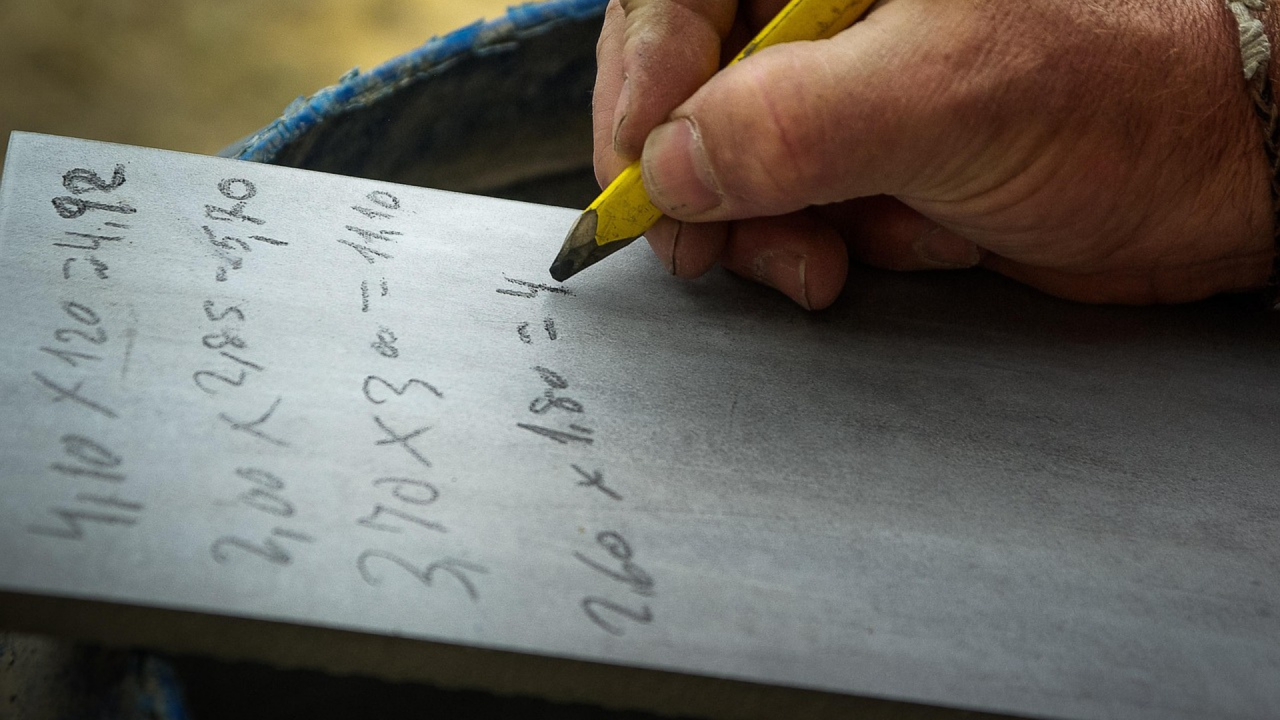
Why This Matters
First, you need to give yourself some credit. If you've ever thought "I'm rubbish at maths," this post proves otherwise. You're using mathematical thinking all the time.
Second, recognizing existing skills makes learning new ones less scary. The mental arithmetic you do shopping? That's the same type of thinking needed for algebra. You're not starting from scratch.
Third, it answers the eternal student question: "When will I use this?" Answer: constantly. You just weren't calling it maths.
Who Needs This
Anyone who thinks they're "not a maths person," parents wanting to show kids that maths actually matters, students questioning the point of learning it, and anyone looking for a confidence boost by recognizing skills they already have.
The second post in this series (Maths in the Modern World) is ready for you to read now if you want - just click here.
Want to know more? NTSs has plenty for you to explore - join our community now for free to find out what we have to offer - just click here
Categories: : Mathematics